
Our Services
plannting tree
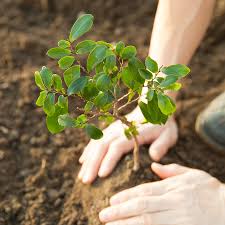
plannting tree
Tree planting stands as one of humanity's most powerful and accessible tools in the fight against environmental degradation and climate change. This timeless practice, deeply rooted in cultures across the globe, has evolved from a simple agricultural necessity to a critical environmental intervention that addresses some of the most pressing challenges facing our planet today. As forests continue to disappear at alarming rates due to deforestation, urbanization, and agricultural expansion, tree planting initiatives have emerged as beacons of hope, offering tangible solutions to restore ecological balance, sequester carbon, and create resilient landscapes that can sustain both human and wildlife populations for generations to come.The Science Behind Tree Planting SuccessUnderstanding the science of tree planting is fundamental to achieving successful outcomes that benefit both the environment and local communities. Trees are remarkable organisms that perform countless vital functions within ecosystems. Through photosynthesis, they convert carbon dioxide into oxygen while storing carbon in their biomass, making them essential allies in mitigating climate change. A single mature tree can absorb up to 48 pounds of carbon dioxide annually while producing enough oxygen to support two people for an entire year. However, these benefits only materialize when trees are planted correctly and given the proper care to ensure their survival and healthy growth.The process begins with careful site assessment and species selection. Not all trees are suitable for all locations, and planting the wrong species in the wrong place can lead to failure, wasted resources, and even ecological harm. Native species typically offer the best outcomes as they have evolved alongside local wildlife, are adapted to regional climate conditions, and require less maintenance once established. Climate considerations include understanding hardiness zones, average rainfall patterns, temperature extremes, and seasonal variations. Soil analysis reveals crucial information about pH levels, nutrient content, drainage capacity, and textureall factors that influence which species will thrive in a particular location.
Contact Information
Phone: +250 786 960 926
Email: info@tera.rw
Location: Kabuga – Rugende, near Kigali